

Cold winter air holds very little water vapour, even when the day feels raw and damp. Warm it to room temperature and its relative humidity falls a long way, so the air that drifts in through a vent arrives with spare capacity to carry moisture back out. That piece of physics settles most of the argument behind a question that comes up every year once the heating goes on: should trickle vents be open in winter? In most homes that rely on them for background ventilation, yes, open and unobstructed. The exceptions are narrow and mostly temporary, such as a whole-house heat recovery system, a gale hitting one side of the building, or smoke drifting past for an evening. Heat recovery comes with its own instructions; for the other two, the sensible move is to close some vents for a while rather than all of them until spring.
This guide deals with the vents already in your frames: how to tell whether they are open, how to clear them without damage, when closing one helps, and what they can and cannot do about water on the glass. Whether a replacement window has to come with vents at all is a Building Regulations question, handled for England under Approved Document F; the wider rules for changing windows sit in our guide to regulations for replacement windows.
If water on the glass is what sent you looking, the wider causes, from laundry on radiators to cold corners, are set out in our guide to condensation on windows. If the frames themselves are failing, you can describe the windows and their sizes on the contact page.
Should trickle vents be open in winter if the air outside is wet?
How can damp winter air dry out a room?
It comes down to temperature. The humidity figure on a weather app is relative humidity, and in winter it misleads. It describes how close the air is to holding all the water vapour it can at its own temperature, and cold air can hold very little. A grey January day can show outdoor humidity far above anything you would accept indoors, while the air itself often carries less water than the air in a heated living room.
Bring that air in and warm it, and its relative humidity drops. It can then take up some of the moisture from cooking, washing and breathing before it leaves through gaps, extractor fans and other vents. The effect is strongest in cold weather. In a mild, humid spell the outdoor air already holds more water, so warming it buys less drying, which is one reason a house can feel damp in soft, foggy weather even with the vents open.
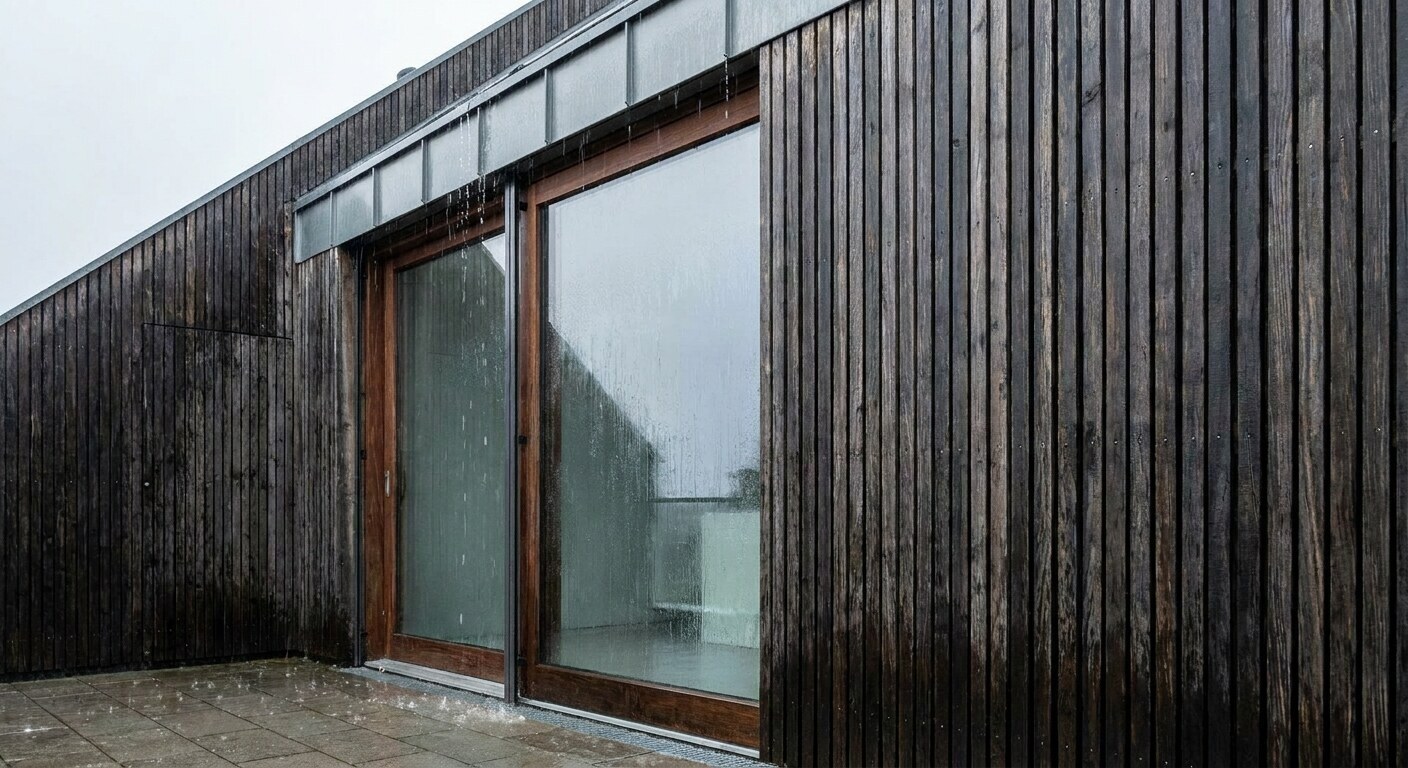
Are open vents just letting heat out?
Some, yes. Air that leaves the house takes its warmth with it, and an open vent is a deliberate, small leak. What you get for that heat is a way out for moisture. A trickle vent does that slowly and steadily, high in the room, which is gentler on comfort than a wide-open window and far easier to live with through a whole winter.
How much the vents add depends on the building. In an older house with loose sashes and gaps between floorboards, open vents may add relatively little to the air the building was already losing. After new windows and thorough draught-proofing, the vents may supply much of the fresh air some rooms get, and closing them changes a good deal more than the heating bill.
Why does the room feel colder with the vents open?
Near the vent itself it sometimes does; further into the room, the cold may have another source. Vents are usually set high, in the head of the frame or above the glass, so incoming air can mix with warm air near the ceiling before it reaches anyone. A cold stream at knee height or along the sill may come from an opening sash that no longer sits tight against its seals, the joint between frame and wall, or a gap at floor level. Those are worth ruling out before the vent gets taped over, and our guide to finding draughts around windows shows how to narrow the source down. If one vent really does drop cold air onto a bed or a desk, part-closing that vent is a smaller step than shutting every vent in the house.
How do I know my trickle vents are actually open?
Which way is open?
It varies by maker. Many vents have a slider or a hinged flap on the room side, often marked with a symbol, a colour or a small arrow, and some have an intermediate setting. Without a marking, look into the inner slot: with the vent open you can often see into the channel cut through the frame, and from outside you may notice a hood with a narrow opening facing downwards. The maker's instructions, if they survived the last house move, settle it. Some vents adjust themselves and open further as indoor humidity rises; any settings they have follow the vent maker's guidance rather than a general rule.
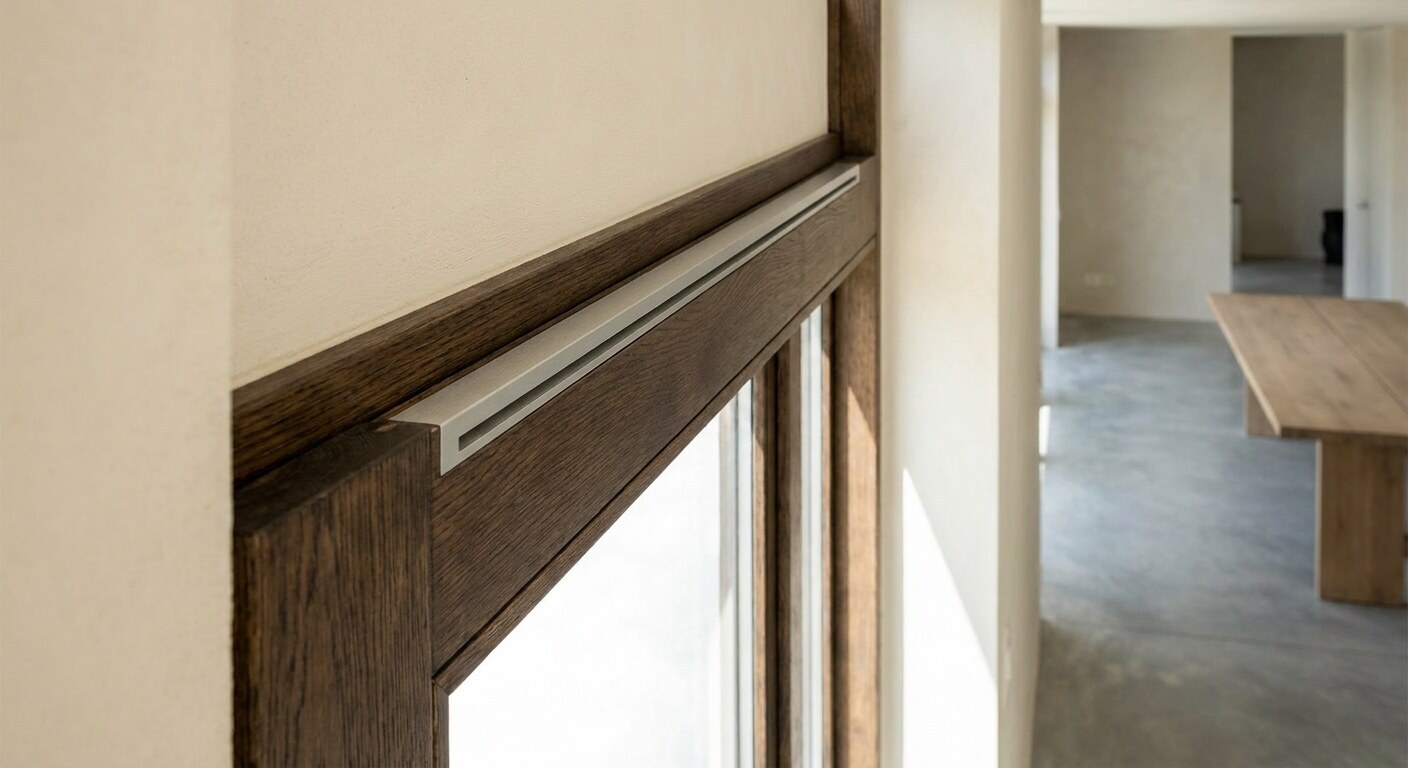
Can I feel whether air is moving through it?
Roughly. Hold the back of your hand, or a strip of thin paper, close to the slot on a breezy day or while the kitchen or bathroom extractor is running. A faint, steady movement suggests the route is clear.
Still air proves less than it seems. Air moves through a vent when something pushes it: wind, a difference between indoor and outdoor temperature, or a fan pulling from elsewhere in the house. On a calm, mild afternoon an open, clean vent can feel dead. Treat the test as a hint.
What can block a vent that looks open?
On timber windows, start with the paint. A slider painted over in the closed position, or a slot narrowed by several coats, can look normal from across the room. Vents in uPVC and aluminium frames mostly escape that particular problem, but they clog in the same ways otherwise:
- dust, fluff and cobwebs packed into the slot and the channel behind it;
- an insect mesh, where one is fitted, clogged with grime;
- curtains, blinds or a blind cassette pressed against the head of the frame;
- the outside hood filled with leaves or an old nest, or smeared with sealant during an earlier repair;
- climbing plants grown across the outside of the frame.
A vent can also be open and clean yet move little air, because the air in the room has nowhere to go. That part belongs with condensation, further down.
How do you clean trickle vents on timber windows?
How do you clear the slot without damaging the frame?
A vacuum with a soft brush attachment along the inner slot, then a cloth wrung out in mild soapy water over the slider and the paint around it, then a dry cloth. That covers most of it.
Keep water out of the channel itself, and keep sharp objects out of the slot: a scored slider or a split in the paint film around the opening gives moisture a way into the timber. Some solvent-based cleaners soften paint, so mild soap is the safer choice on painted frames. If the internal cover is designed to come off for cleaning, the vent maker's instructions show how; without such guidance, leaving it in place is the cautious option.
What if the slider has been painted shut?
Do not force it. Levering a painted-in slider usually cracks the paint, snaps the slider, or both. A decorator or joiner can free it and touch in the finish around it, and the next time the frame is painted, keeping the slider moving and its edges clean belongs on the job list. A cracked vent or a missing slider may be a matter of a replacement part from the vent maker, which is a different conversation from new windows.
Is the outside hood worth a look?
Where you can see it safely, yes: from the ground, from a ground-floor window, or from inside without leaning out. Look for leaves, nests, flaking paint or a bead of sealant across the opening. Hoods on upper floors that you cannot reach safely can wait for whoever next cleans or services the windows. A ladder in a winter wind is a poor price for a clear slot.
If the frames around the vents are past repainting, the timber window systems we make are on our products page. Whether a particular vent suits a particular frame is worth checking with the window or vent maker before anything is ordered.
When does it make sense to close some of them?
Closing a vent is a setting, not a verdict on the vent. Five situations, the setting that tends to fit, and the reason in a line:
- An ordinary heated house without mechanical ventilation. Vents open in the rooms you use, bedrooms and wet rooms included. Why: they are the steady supply those rooms depend on, and closing them leaves the job to cracks and to windows opened in a hurry.
- A gale driving at one side of the house. Close or part-close the vents on the side taking the wind until it eases, and leave the sheltered side open. Why: strong wind pressure can push a cold stream, and sometimes spray, through an exposed hood, while the sheltered vents keep air moving.
- A home with whole-house heat recovery ventilation. Follow the system's own instructions, which commonly ask for window vents to stay closed. Why: open vents give air a short cut around the heat exchanger and can upset the airflow the system was balanced for.
- Smoke outside for an evening. A neighbour's bonfire, a wood stove upwind. Close the vents on that side while it lasts, reopen them afterwards, and air the room briefly once the air outside clears. Why: a short closure costs little moisture control, and smoke indoors costs more.
- A room with a gas fire, an open fire or a boiler that draws air from the room. Treat the trickle vents as in any other room, and keep the appliance's own permanent air vent clear all year. Why: a trickle vent is not designed to supply air for burning fuel, and a blocked combustion vent is a safety risk.
Missing from the list: closing every vent for the season to save on heating. In a house that depends on them, that tends to swap a modest saving for damp, condensation and stale bedrooms, which is why the answer to "should trickle vents be open in winter" stays a yes for most of the season.
Do open trickle vents help with condensation?
Is an open vent enough on its own?
It helps. It is one of three things working together, with heating and extraction. Condensation forms when glass, or any surface, is colder than the dew point of the room air: the temperature at which that air, cooled, can no longer hold all its water vapour. Open vents lower the moisture in the room over time, which lowers the dew point and reduces how often the glass gets cold enough for water to form.
They do not warm the glass, and they cannot keep pace with big bursts of moisture: a hot bath, an uncovered pan, laundry drying on radiators behind a shut door. Extractor fans deal with those close to the source, and steady heating keeps surfaces warmer. Government guidance on damp and mould for rented housing providers in England treats inadequate ventilation as one of the factors behind damp and mould. The wider list of causes is in the condensation guide linked near the top.
Why does it matter on a timber sill?
Because water that forms on the glass runs down and collects there. On a timber window it gathers on the bottom bead and the inner sill, and on a cold morning it can sit there for some time. A good factory finish, such as the four-layer waterborne TEKNOS system we apply in Kalnciems, sheds water well. Standing water, morning after morning through a winter, is a harder test for any paint film, and the bottom rail is where wear tends to appear first: a dull patch, a hairline crack along a joint, paint lifting at the corner of a bead. Keeping the vents working is one of the cheaper ways to make those mornings rarer.
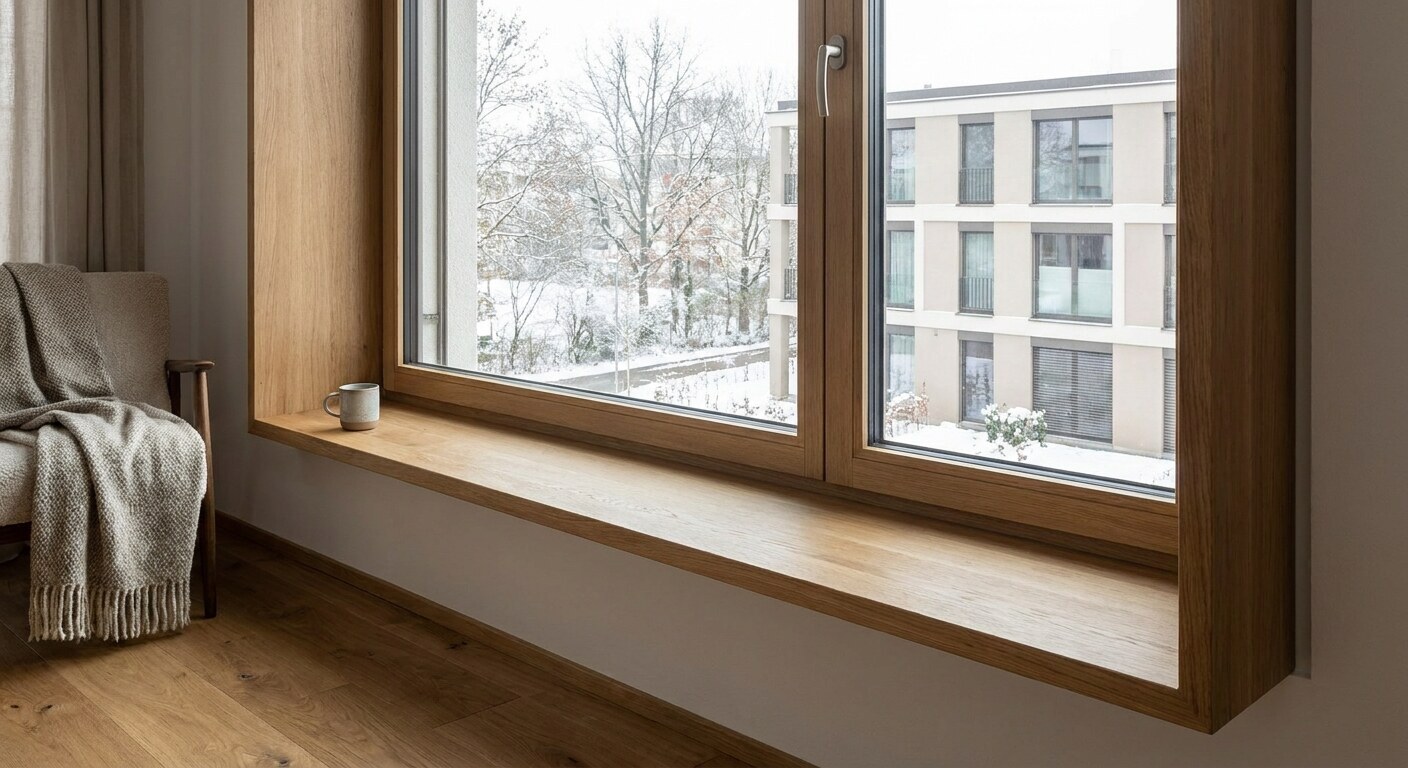
Does the air need a route through the house?
It does. A vent supplies air; something has to draw it through. Kitchen and bathroom extractors pull air in through vents elsewhere, and wind pushes it from one side of the house to the other. A bedroom with its door shut tight against thick carpet can have open vents and very little air change.
A gap under the door, or the door left open while the room is empty during the day, lets the route work. At night the usual fire-safety advice to keep internal doors closed still applies, and the gap under the door, where there is one, keeps air moving then.
What should you check before ordering new windows?
Cold rooms and wet glass can push people towards new windows sooner than the windows deserve. Before that step:
- Have the existing vents been open and clear through a good part of a heating season? If not, try that first, because the result says something about the house as well as the windows.
- Is the cold air coming from the vent at the head of the frame, or from the edges of the opening sash and the frame joints? Each points to a different fix.
- Is any vent painted shut, cracked or missing its outside hood? That may well be repairable without touching the frames.
- Does the house have heat recovery ventilation, or a fire or boiler that takes air from the room? Mention it to whoever quotes, because it changes what the new windows need to do about ventilation.
- For new frames, which vent type, which controls and which setting suit each room? Check with the window or vent maker, as vents are separate devices with their own instructions.
- Sizes, rooms and the problem you want solved: describe them on our contact page.
Windows Latvia
Need Expert Advice?
Our team can help you choose the right windows for your project - from energy ratings to installation.
Get a Free Quote