

Good timber windows last 50 years and more. But not on their own. A manufacturer promising you "maintenance-free windows" simply wants to close the sale faster. Wood is a living material, and a northern climate tests it every year: wet winters, freeze-thaw cycles, summer UV, and salty air if you live near the coast. The good news: timber window maintenance is not hard labour. Know what to do and when, and a couple of hours a year covers it.
This is a manufacturer's guide. We build and finish these windows ourselves at our factory in Kalnciems, Latvia, so what follows is not theory - it is what we actually see on site five, ten and twenty years after installation.
Why timber windows need maintenance (and why that is not a flaw)
The finish on a timber window is not decoration. It is a protective layer that keeps moisture out of the wood and stops UV breaking the timber down. It is this layer that wears over time, not the wood itself. As long as the finish is intact, the timber underneath stays dry and stable.
Here is the thought manufacturers rarely say out loud: the fact that a timber window needs attention every few years is not a weakness - it is the advantage. A timber window can be sanded, repainted and put back into service even decades later. A uPVC window at the end of its life is usually replaced outright. Maintenance is the price of owning a window that is repairable rather than disposable. Our 25-year cost breakdown of timber vs uPVC shows what that repairability is worth over the life of the window.
How often the finish needs renewing
The question we hear most. The honest answer: it depends on how much sun and rain that particular window takes. South- and west-facing elevations weather fastest - they get the most UV and the most driving rain. Coating manufacturers' generic guidance tends to say two to three years for translucent stains; a properly built three-coat factory system stretches that considerably. Here is what we actually see in a northern European climate:
| Window position | Translucent stain | Opaque paint |
|---|---|---|
| South / west elevation (most sun and rain) | 3-5 years | 5-7 years |
| North / east elevation (more sheltered) | 5-8 years | 8-10+ years |
These are guide figures, not law. A window under a deep roof overhang barely sees rain and can go 12 years or more untouched. A window on an exposed coastal frontage gets its finish stripped faster by salt air - sometimes it needs attention every 2-3 years. An annual coat of a protective care emulsion - often sold as "maintenance milk" - reseals the micro-pores and stretches the interval between big jobs by a couple of years.
Stain, opaque paint or oil: what is on your window
Before you renew anything, work out what is already on the frame. Three options, each with its own logic:
- Translucent stain. Leaves the wood grain visible. Its big advantage: micro-cracks show up immediately, and stain does not flake off in large sheets, so renewal is easy. The downside is weaker UV protection, so it needs doing more often. A good choice for sheltered elevations.
- Opaque paint. Maximum sun protection and the longest intervals between jobs. The downside: it hides the grain, and if the paint film cracks, moisture gets underneath and stays there. The wood can start rotting unseen. The right choice for very exposed, wind- and rain-battered elevations.
- Oil. Penetrates deep and breathes well. The downside: it washes out quickly, needs renewing every 1-2 years, and offers little physical protection against hard weather. Rarely used on the exterior of modern premium windows.
At our factory the windows get a three-coat TEKNOS system: an impregnation against fungus and rot first (Antistain WR), then a primer that seals the pores (GORI 88), and finally a topcoat against sun and weather (AQUATOP). It is this three-layer build-up, not any single coat of paint, that decides how long a window goes without serious work. If you are choosing what to put on top yourself, we have compared products in our guide to the best paint for exterior wooden windows.
Annual cleaning: what to use and what to avoid
The simplest step, and the one done wrong most often. Wash timber frames twice a year with a soft cloth and a mild, pH-neutral soap solution. On the coast, where salt settles on the frames, make it 3-4 times a year - salt actively eats the finish.
And here is what never to do:
- No abrasive sponges or scouring products - they scratch the topcoat.
- No solvents, acetone or ammonia-based glass cleaners on the wood - they dissolve the finish.
- Never wash timber windows with a pressure washer. The jet tears the gaskets and drives water deep into the wood's pores. Rot after that is only a matter of time.
Hardware care: lubricate, but not with WD-40
Timber sashes are heavy, and all that weight hangs on the hardware: hinges and locking mechanisms. They need care, or they give up first. Lubricate the moving parts and locking points once or twice a year.
One detail matters here. Use only a light acid-free, resin-free oil - sewing machine oil or 3-IN-ONE works, as does a dedicated hardware spray. And do not lubricate hardware with WD-40. It is a solvent: it washes the thick factory grease out of the mechanism, and some time later the hardware starts grinding and wearing out. It is one of the most persistent myths we come across - persistent enough that "can you use WD-40 on windows" is a question people genuinely type into Google. The answer is no.
If a sash has dropped and started catching on the frame, do not keep forcing it - that is how hardware gets broken. The sash is adjusted with a hex key at the hinges, and that is a job we usually recommend leaving to a fitter.
Gaskets and drainage holes: the two spots everyone forgets
These are the details almost nobody notices until it is too late.
Gaskets. Wipe them with mild soapy water, dry them, and before winter treat them with silicone spray or a rubber-care product. That keeps the rubber supple, so it does not freeze to the frame during freeze-thaw cycles - otherwise it tears the first time you open the window on a frosty morning. A tired gasket is also the usual culprit behind a draughty timber window.
Drainage holes. They sit at the bottom of the frame and carry rainwater out. They must stay clear of dust, pine needles and insects. Blocked holes mean water pooling inside the frame, freezing in winter and rotting the timber from the inside. Check them every spring and autumn - it takes a minute. It is the failure pattern we meet most often: after three hard years the paint gets the blame, when the real culprit was a drainage hole blocked for two seasons.
Older windows: the lead paint warning
One warning specifically for older British and Irish homes. If your house was built or painted before 1992, assume the old window finish could contain lead - consumer lead paint was only fully banned in the UK in 1992, so anything painted before then is suspect. Never dry-sand it and never strip it with a high-temperature heat gun: both release toxic lead dust, and HSE specifically advises against dry sanding and burning off old lead paint. Use wet sanding, chemical strippers or, better, hand the job to a professional who works with older joinery. This is one of the few places in window care where DIY enthusiasm can genuinely harm you.
Condensation on the glass: are the windows at fault?
No. Counterintuitively, condensation on the room side of the glass means the windows are airtight, not broken. When warm, moist indoor air meets cold glass, the moisture settles on it - exactly like a cold bottle on a summer day.
The fix is ventilation, not the window. Keep indoor humidity around 40-50% and air the rooms regularly. It is a big enough subject that we gave it its own article on condensation on windows: the three types, the dew point, and a winter ventilation routine.
Warning signs: what cracks, greying and black spots mean
Once a year, give your windows five minutes up close. Here is what to look for and what each sign means:
- Cracked or flaking finish. The protective layer is broken. Water gets in but can no longer evaporate easily. Sand and renew that spot soon - not next season.
- Grey timber. UV has broken down the lignin in the wood; the finish is completely spent. The wood itself is asking for renewal.
- Soft spots, usually in the bottom corners. A sign of long-standing water or blocked drainage. Rot may already have started there.
- A sash that catches and drags. The wood has swollen with moisture, or the hardware has dropped.
- Black mould on the gaskets. A sign of chronic indoor humidity and condensation. That is a ventilation job, not just a gasket job.
A seasonal maintenance schedule
Almost all timber window maintenance splits neatly into two sessions a year - that way nothing gets forgotten:
| When | What to do |
|---|---|
| Spring | Wash off winter grime (and salt, on the coast). Inspect the finish for micro-cracks left by freeze-thaw cycles. Clear the drainage holes. |
| Autumn | Apply the care emulsion to reseal micro-pores before winter. Lubricate the hardware. Treat the gaskets with silicone so they do not freeze to the frame. |
Common timber window maintenance mistakes
- "Modern timber windows are maintenance-free." They are not. They need far less work than windows did 30 years ago, but the annual inspection stays.
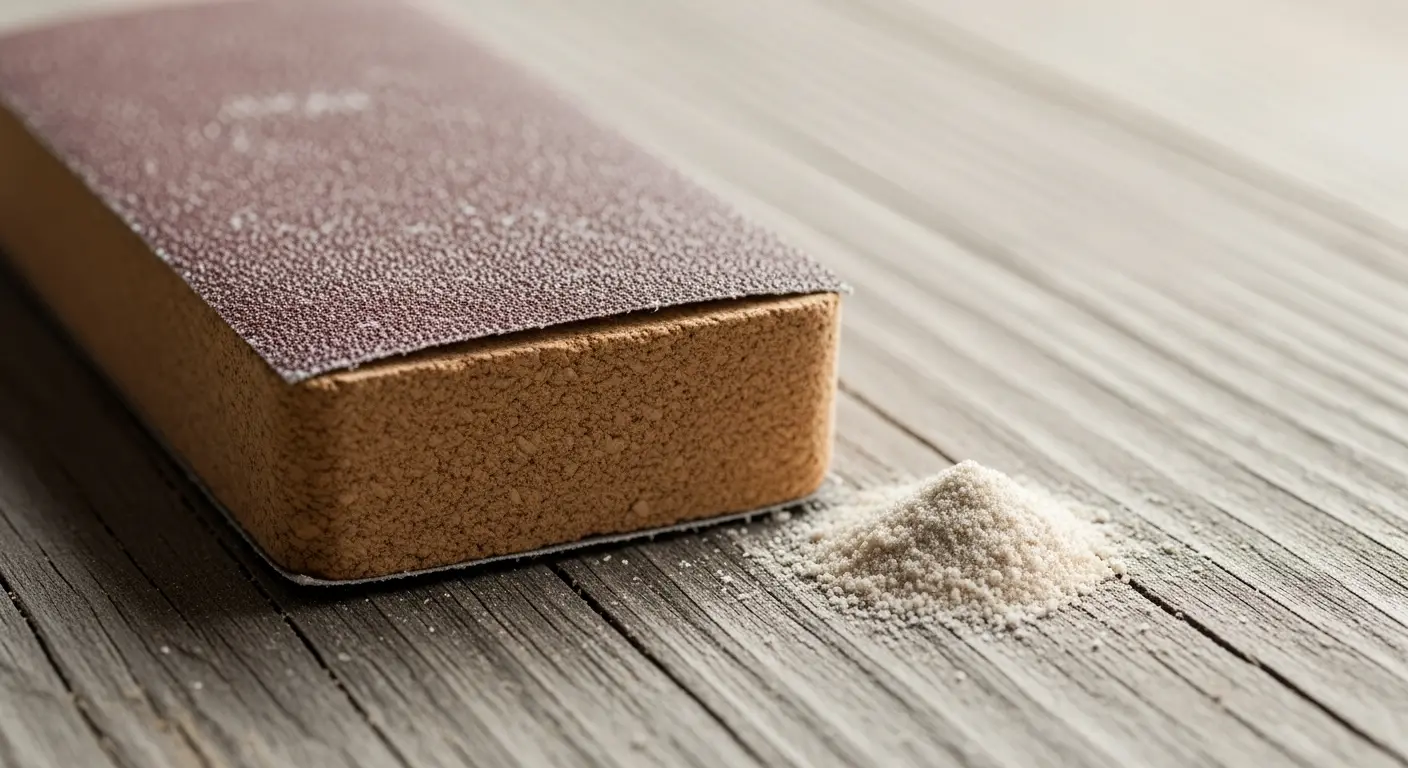
- Painting over a crack. That seals moisture under the paint. Sand back to sound timber first, then paint - we walk through the process in how to paint wooden windows.
- Lubricating hardware with WD-40. It strips the grease and accelerates wear.
- Waiting until it looks bad. A small renewal done on time is cheap. Replacing a rotten frame is not.
When maintenance is no longer enough: restoration
Sometimes a window reaches the point where washing and repainting will not save it: the timber is grey and soft, the corners or the sill have rotted, the finish has peeled in large patches. That still does not mean the window belongs in a skip. A period window can very often be fully restored - for less than the cost of a new one. We do it every season; there is more in our window restoration service section. And if you are weighing up whether old frames are worth saving at all, our piece on how long timber windows last gives the honest numbers.
Frequently asked questions
How often do wooden windows need painting?
It depends on the elevation and the finish: translucent stain on a south or west elevation needs renewing every 3-5 years, opaque paint every 5-7. Sheltered north and east elevations stretch considerably longer, and a window under a deep roof overhang can go 12 years or more. A yearly coat of the care emulsion pushes the gap between full repaints out by a couple of years on any elevation.
Are timber windows high maintenance?
No - a modern timber window needs a couple of hours a year: washing twice, lubricating the hardware, and treating the gaskets before winter. The big job, renewing the finish, comes round once every several years.
What should I clean timber windows with?
A soft cloth and a mild, pH-neutral soap solution. No abrasives, no solvents, no acetone or ammonia-based glass cleaners on the wood - and never a pressure washer.
Can you use WD-40 on wooden windows?
Not on the hardware. WD-40 is a solvent: it washes the factory grease out of hinges and locking mechanisms and speeds up wear. Use acid-free, resin-free oil - sewing machine oil or a dedicated hardware spray - once or twice a year.
Can I renew the finish myself?
A light recoat and a coat of care emulsion - yes, comfortably DIY: sand with P120, finish with P240, and paint on a dry day between 10 and 25°C. If the timber is already grey, soft or starting to rot, call a professional: that needs sanding back to sound wood and sometimes partial restoration. And on pre-1992 British homes, treat old paint as potentially lead-based - no dry sanding.
How long do timber windows last with proper maintenance?
Quality timber windows with regular care last 50 years and more - period windows have proven it in practice. Maintenance is exactly what separates a window that lasts 15 years from one that lasts 50.
We are a timber window manufacturer with our own factory in Kalnciems, Latvia, and more than 12 years of building windows for Northern European homes - including the UK and Ireland. If you are not sure what finish is on your windows, or you are weighing up whether old frames are worth restoring, write to us and we will tell you what we would do.
Need Expert Advice?
Our team can help you choose the right windows for your project - from energy ratings to installation.
Get a Free Quote