Pine, Oak, Meranti, and Larch - four wood species selected for window manufacturing based on durability, climate performance, and structural properties. All available as engineered laminated timber.
Each timber species has distinct properties that affect durability, thermal insulation, moisture resistance, and visual character. The right choice depends on your climate, building type, and design requirements.
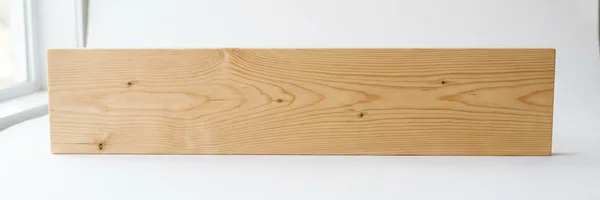
Scandinavian pine is the most widely used timber for window production in Northern Europe. The straight, even grain accepts paint uniformly, producing a clean finish that holds colour well over decades. Natural resin content provides baseline moisture resistance.
Pine delivers an excellent balance of workability, durability, and cost - making it the standard choice for residential projects across all European climate zones.
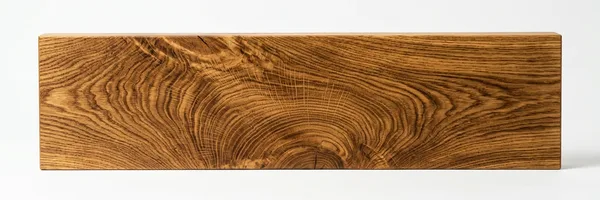
European oak is the prestige choice for window joinery. Exceptional hardness and natural durability class 2 mean no preservative treatment is needed - the timber is inherently resistant to decay and insect attack. The rich grain pattern is often left visible with clear lacquer.
Preferred for heritage buildings, luxury residences, and architectural projects where the frame is a design feature. See our Baznicas iela 5 restoration for an example of oak in a heritage context.
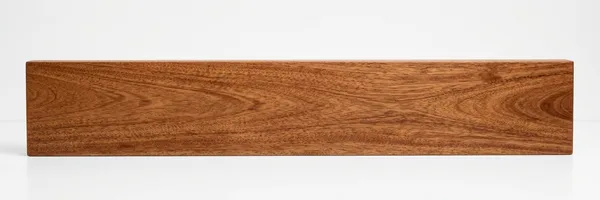
Meranti is a tropical hardwood valued for outstanding moisture resistance. Natural oils make it exceptionally stable in humid and marine climates where European softwoods may struggle. The fine, interlocked grain resists splitting and provides a smooth, consistent surface.
Widely specified for coastal properties, maritime climates, and export projects to regions with high humidity. Dimensional stability means less expansion and contraction through seasonal changes.
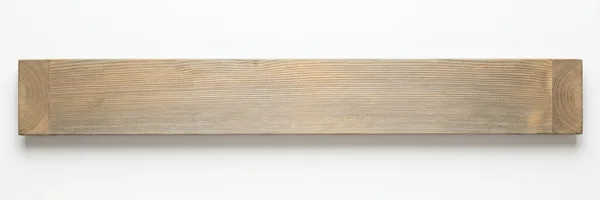
European larch is the most weather-resistant softwood available. High resin and tannin content gives it natural durability comparable to many hardwoods, while remaining lighter and easier to work. Larch develops a distinctive silver-grey patina when left untreated.
An excellent choice for exposed locations and mountain properties. Also used in fire-resistant window applications due to its natural density and slow-burning characteristics.
Side-by-side performance data to help you select the right timber for your project requirements and climate.
| Property | Pine | Oak | Meranti | Larch |
|---|---|---|---|---|
| Natural Durability | Moderate | High | High | Good-High |
| Moisture Resistance | Good (treated) | Very Good | Excellent | Very Good |
| Grain Character | Straight, even | Bold, distinctive | Fine, interlocked | Straight, fine |
| Best Climate | Universal | Universal | Humid / coastal | Exposed / cold |
| Density (kg/m3) | 510 | 710 | 640 | 590 |
| Paint Acceptance | Excellent | Good | Very Good | Good |
| Thermal Insulation | Good | Moderate | Good | Good |
| Price Level | Standard | +40-60% | +20-35% | +10-20% |
Compare the full cost of windows across 4 timber species over 10-25 years, including maintenance. Indicative pricing - exact quote on request.
Calculation: indicative window price (€/m²) x area + planned repaint every 8-12 years. Excludes delivery, installation, one-off works. Exact pricing depends on profile (ECO 68/92/Premium 115), glazing, hardware, colour, and delivery country.
All our window profiles use engineered laminated timber, not solid wood. This is a deliberate engineering decision with measurable performance benefits.
Laminated timber consists of three layers (lamellae) of kiln-dried wood bonded under pressure with structural adhesive. Each layer is dried to 12% moisture content - well below the 20%+ typical of air-dried timber. The grain direction alternates between layers, counteracting the natural tendency of wood to warp and twist.
The result: a profile that maintains its shape over decades, ensuring consistent sealing, smooth hardware operation, and reliable thermal performance throughout a 60-year lifespan. This matters for every product we manufacture - from quadruple-glazed passive house windows to standard residential frames.
Dimensional stability: 68% less warping than solid timber profiles over 20 years of field testing.
Moisture control: Kiln-dried to 12% vs 20%+ for air-dried wood. Lower initial moisture means less movement as timber acclimatises.
Structural strength: Cross-grain lamination increases resistance to splitting at hardware attachment points.
Consistency: Each lamella is inspected individually. Defects in one layer do not compromise the full profile.
Answer 3 questions - we recommend the best timber for your project.
Step 1 of 3
Where is your project located?
Every window and door system we produce is available in Pine, Oak, Meranti, or Larch. The timber species does not limit your product choice.
Inward-opening windows with tilt ventilation. ECO 68 and ECO 92 profiles.
View product →Outward-opening double-sash windows. Traditional Nordic design with modern engineering.
View product →Timber interior with aluminium exterior cladding. Zero exterior maintenance.
View product →Lift-and-slide and tilt-and-slide systems. Large glass areas with smooth operation.
View product →The best wood depends on your specific requirements. Pine is the standard choice for residential projects - it offers excellent workability, uniform paint acceptance, and reliable performance across all European climates at the most competitive price. Oak is the premium choice for heritage and luxury projects where natural grain is a design feature. Meranti performs best in humid or coastal environments due to its natural oil content. Larch is ideal for exposed and mountain locations due to its high weather resistance. All four species are available as engineered laminated timber for superior dimensional stability.
Properly manufactured and maintained wooden windows last 60 years or more. The key factors are timber quality, engineering method (laminated vs solid), paint system, and regular maintenance. Our windows use engineered laminated timber dried to 12% moisture content and finished with microporous water-based paint that allows the wood to breathe. With repainting every 8-12 years, wooden windows routinely outlast PVC alternatives, which typically show degradation after 25-30 years and cannot be repaired - only replaced.
Pine is better for value and overall versatility. It accepts paint evenly, is lighter (easier on hardware), and performs well in all climates. Oak is better for projects where natural wood grain is visible and appearance matters - heritage restorations, luxury homes, and architectural features. Oak costs 40-60% more than pine, is significantly heavier (710 vs 510 kg/m3), and is harder to machine. For most residential projects with painted finish, pine is the practical choice. For visible-grain natural finish, oak is unmatched.
By natural durability rating, oak outperforms larch: oak is class 2, larch is class 3. However, larch is 17% lighter (590 vs 710 kg/m3) and offers a unique combination of durability and workability. Oak is preferred for heritage projects and interior elements. Larch is well suited to exterior, exposed, and mountain locations where its natural resin content provides exceptional weather resistance. On price, larch is around 30-40% less expensive than oak.
In high-quality timber windows, cracking is addressed in two ways: using engineered laminated timber instead of solid wood, and kiln-drying to 12% moisture content. Three-layer laminated timber with cross-grain lamination resists cracking because the layers counteract each other's natural movement. All four of our species (pine, oak, meranti, larch) are supplied as engineered laminated timber, so cracking is not an issue under proper manufacturing and use.
We use multi-layer paint systems from TEKNOS (water-based microporous paints) - the standard for window manufacturing in Northern Europe. The system comprises a deep-penetrating preservative plus 2-3 coats of finish in any RAL or NCS colour. Alternatives include Sikkens stains and Remmers lacquers for interior applications. Oak is often finished with clear lacquer to keep the natural grain visible.
Yes - wooden windows need periodic maintenance, but less than many people expect. With modern microporous paint systems, the main requirement is repainting every 8-12 years. This involves light sanding and applying one or two coats. Between repaintings, annual inspection of seals and hardware is recommended. In return, timber windows offer better thermal performance than uPVC or aluminium, are fully repairable (unlike uPVC), and last 60+ years. A uPVC window marketed as "maintenance free" typically cannot be repaired and is replaced after 25-30 years.
Oak costs 40-60% more than pine for comparable profile sizes. This reflects the fact that oak is a hardwood with a longer drying cycle, more difficult to machine (requires more frequent tool changes), denser (higher transport weight), and has a higher raw material cost. Pine is the standard species with mass production. Meranti is +20-35% over pine; larch is +10-20%. Exact pricing depends on profile (ECO 68 / ECO 92 / Premium 115), glazing, and hardware.
Tell us about your project and preferred timber species. We will prepare a detailed specification with pricing within 2 business days.
Request a Quote